ERP Integration Dubai Connect Your Business Systems for Better Performance
Managing business operations across separate software platforms can quickly become frustrating. Sales may use one system, accounts another, while inventory and customer information sit somewhere else. This often leads to duplicate data, manual updates and delays in decision-making.
ERP Integration Dubai helps businesses bring these systems together so information can move smoothly between departments. Whether you run a trading company in Deira, a retail business in Downtown Dubai, a logistics operation in Jebel Ali, or a growing service company in Business Bay, connected systems can make everyday work much easier.
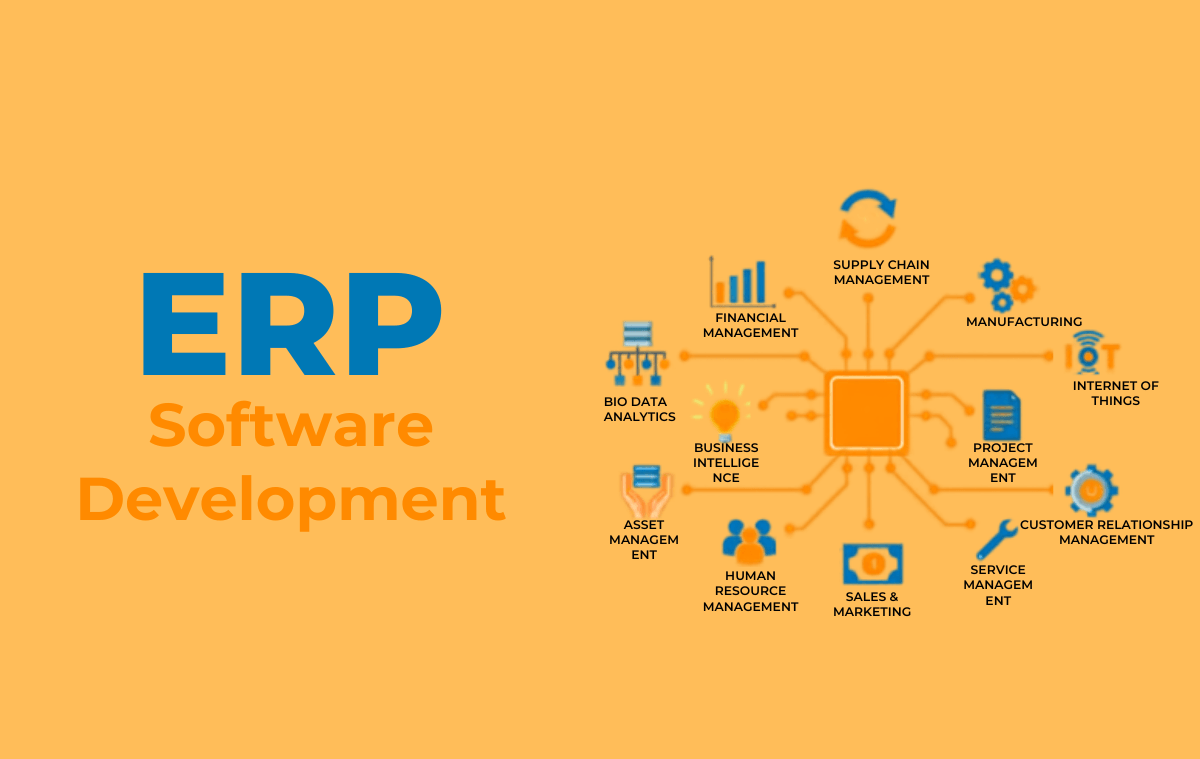
With the right integration strategy, your ERP can communicate with CRM platforms, eCommerce websites, payment gateways, HR systems, inventory software and other business applications. Instead of entering the same information several times, your teams can work from more consistent and up-to-date data.
For companies operating in the fast-moving UAE market, this can mean faster processes, fewer errors and better visibility across the business.
What Is ERP Integration?
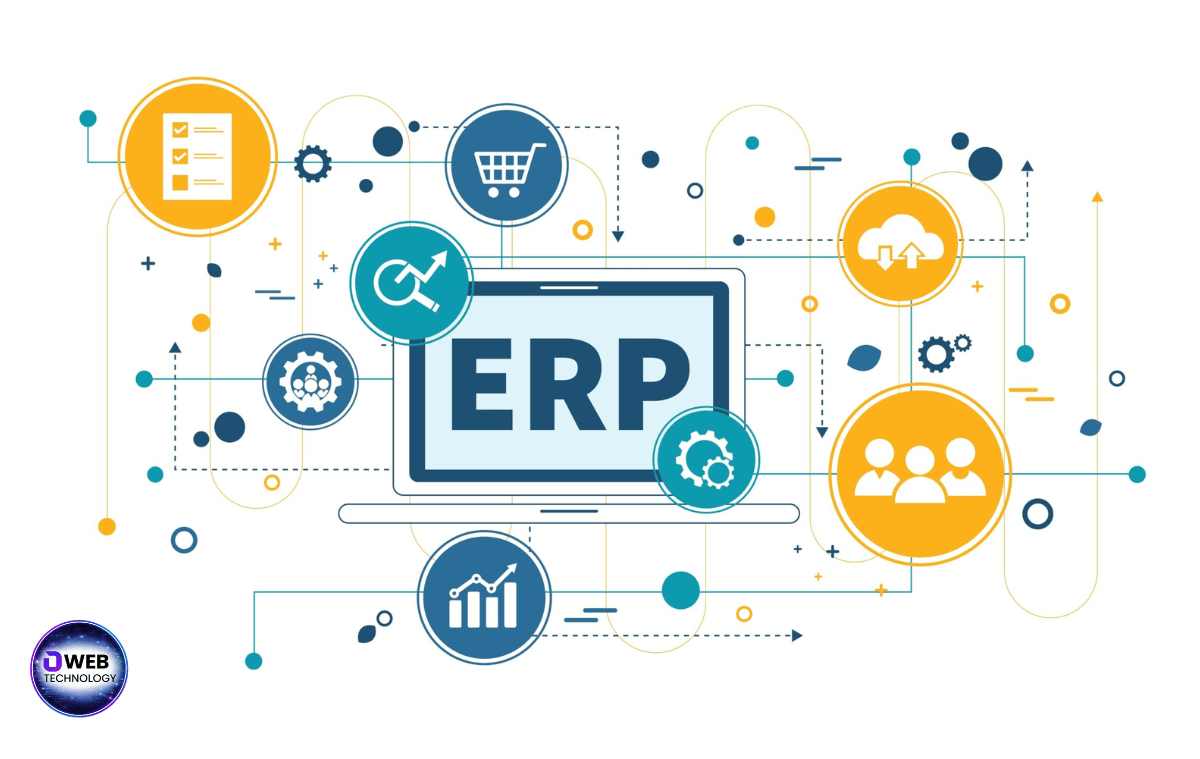
ERP integration connects your Enterprise Resource Planning system with other software applications used by your business.
An ERP system typically manages important areas such as finance, purchasing, inventory, sales, human resources and operations. But many companies also depend on specialist platforms for specific tasks.
For example, an online retailer might use:
- An ERP for finance and inventory
- Shopify or another eCommerce platform for online sales
- A CRM for customer management
- A payment gateway for transactions
- A shipping platform for deliveries
Without integration, employees may need to transfer information manually from one system to another. With integration, relevant information can be exchanged automatically.
A customer placing an online order, for instance, could automatically trigger inventory updates, invoice creation and order processing inside the ERP.
Why ERP Integration Dubai Matters for UAE Businesses
Dubai businesses often operate across multiple channels. A retailer may sell through a physical store, website and marketplace accounts. A logistics company may manage warehouses, delivery teams and customer orders. A growing professional services company may use separate platforms for billing, CRM and project management.
When these systems do not communicate properly, small inefficiencies can quickly become expensive.
ERP integration can help businesses:
- Reduce repetitive data entry
- Keep information synchronised
- Improve reporting accuracy
- Speed up order processing
- Reduce operational mistakes
- Give management better business visibility
- Improve communication between departments
- Support business growth without adding unnecessary manual work
For companies dealing with high transaction volumes, even a small improvement in processing time can make a noticeable difference.
ERP Software Integration Dubai Services We Provide
Every company has a different technology setup. That is why ERP integration should be planned around your existing systems rather than using the same approach for every business.
ERP and CRM Integration
Connecting your ERP with a CRM can help sales and finance teams work with consistent customer information.
When a sales team updates customer details, order information or account status, relevant information can be passed to the ERP. This reduces the need for employees to maintain the same records in multiple places.
ERP and eCommerce Integration
For Dubai retailers and online businesses, connecting an ERP with an eCommerce platform can simplify order and inventory management.
Depending on the setup, integration can synchronise:
- Customer orders
- Product information
- Inventory levels
- Pricing
- Customer details
- Invoices
- Order status
This is particularly useful for businesses handling large numbers of online orders.
ERP and Payment Gateway Integration
Payment information can also be connected with ERP workflows. This can help businesses reconcile transactions and keep financial records more organised.
The exact integration depends on the payment gateway, ERP platform and accounting requirements of the business.
ERP and Inventory Integration
Inventory accuracy is critical for retail, distribution and trading companies.
Integration can connect warehouse or inventory systems with the ERP so stock information can be shared between platforms. This helps businesses understand what is available, what has been sold and when replenishment may be required.
ERP and HR System Integration
Companies with growing teams may use separate HR and payroll platforms. Integrating these systems with the ERP can reduce manual work around employee information, payroll data and financial records.
How ERP Integration Works
A successful integration normally starts with understanding how your business currently operates.
1. System and Process Assessment
We review your existing ERP, software platforms, databases and business processes. This helps identify where information is being entered manually or where systems are not communicating properly.
2. Integration Planning
The next step is to determine which systems need to connect and what information should move between them.
For example, an eCommerce order may need to move from the website to the ERP, while inventory availability may need to move in the opposite direction.
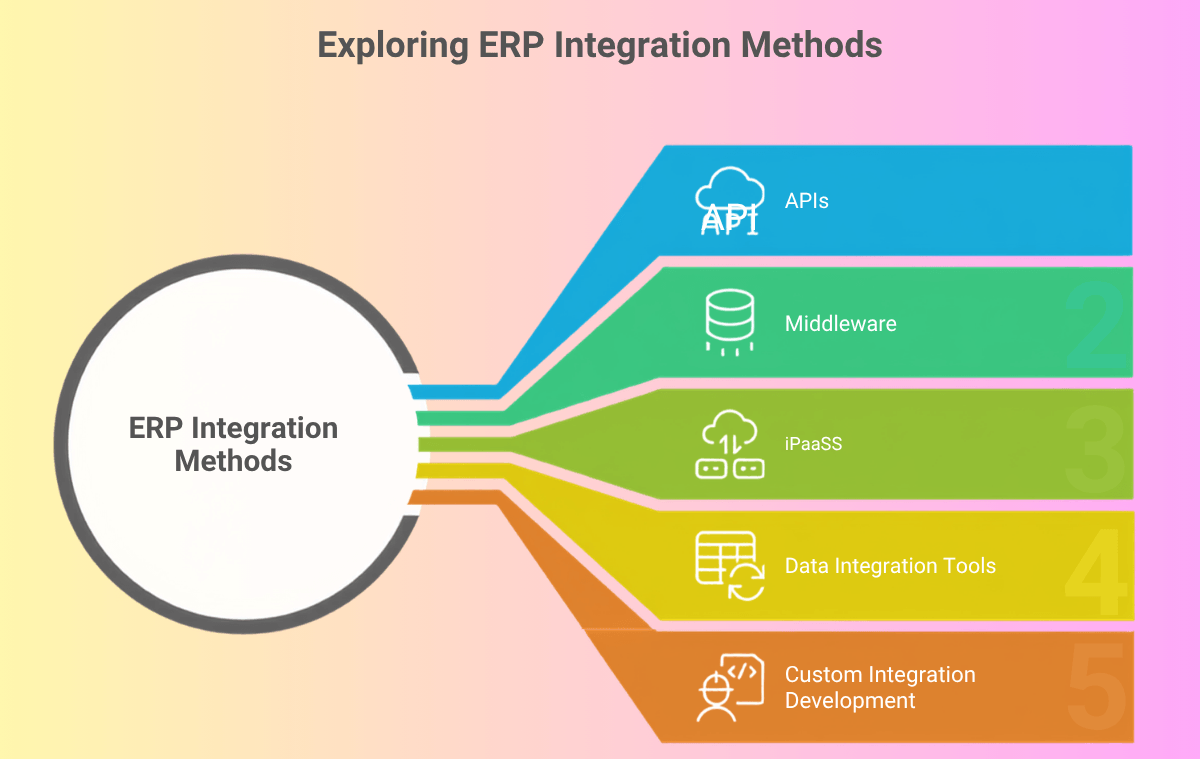
3. API and Integration Development
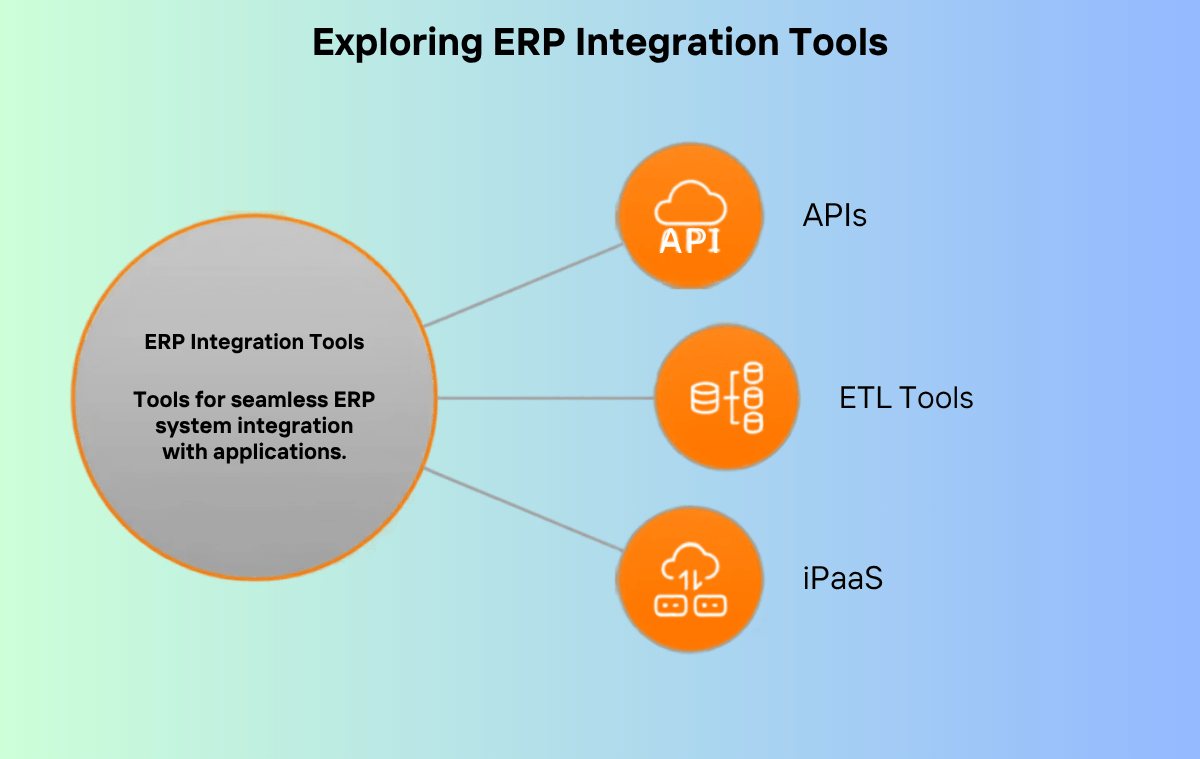
Where APIs are available, they can be used to establish communication between systems. Depending on the project, integration may also involve middleware, connectors, webhooks or custom development.
4. Testing
Before going live, the integration should be tested using realistic business scenarios. This helps identify data-mapping issues, failed transactions and unexpected system behaviour.
5. Deployment and Support
Once testing is complete, the integration can be deployed. Ongoing monitoring and technical support can help keep the connected systems working reliably as your business and software platforms change.
Benefits of ERP Integration
Less Manual Data Entry
Employees do not have to repeatedly copy information from one platform to another. This saves time and allows teams to focus on more valuable tasks.
Fewer Data Errors
Manual entry creates opportunities for mistakes. Automated data transfer can reduce common problems such as incorrect quantities, duplicate records and outdated customer information.
Faster Business Operations
When systems exchange information automatically, processes can move faster. Orders, invoices, stock updates and customer records can be processed without unnecessary delays.
Better Business Visibility
Management can get a clearer view of sales, inventory, finances and operations when information is connected across systems.
Improved Customer Experience
Faster order processing and more accurate information can contribute to smoother customer service. Customers are less likely to receive incorrect stock information or experience unnecessary delays.
Easier Business Growth
As your Dubai business expands, disconnected systems can become harder to manage. A well-planned integration can provide a stronger foundation for handling higher transaction volumes and additional applications.
Real-World Example: A Dubai Retail Business
Imagine a retail company operating from Dubai with both a physical showroom and an online store.
Previously, employees manually updated inventory after online purchases. The accounts team separately checked payment records, while customer information was maintained in the CRM.
This created delays and occasional stock discrepancies.
After connecting the eCommerce platform, CRM and ERP, an online order can automatically pass the required information into the relevant systems. Inventory can be updated, customer details can be recorded and financial information can be prepared for further processing.
The result is a more connected workflow with less repetitive administration.
Why Choose Us for ERP Integration Dubai?
Choosing an integration partner is about more than connecting two applications. The integration needs to support the way your business actually works.
We focus on practical solutions designed around your systems, workflows and business goals.
Business-Focused Approach
We first understand your processes before recommending an integration method. This helps avoid unnecessary development and keeps the project focused on useful outcomes.
Custom Integration Solutions
Different businesses use different ERP platforms, CRMs, eCommerce systems and third-party applications. We can plan integration around your specific technology environment.
Scalable Architecture
Your integration should not only work today. It should also be able to accommodate future systems, users and transaction volumes as your business grows.
Data Security and Reliability
Business systems handle sensitive operational and financial information. Integration workflows should be designed with appropriate authentication, access controls and secure data transfer practices.
Ongoing Technical Support
Software platforms change over time. APIs are updated, applications introduce new versions and business requirements evolve. Ongoing support can help keep integrations stable.
ERP Integration Services Across Dubai
We support businesses across key commercial areas of Dubai and the wider UAE.
Our services can be relevant for companies in:
- Downtown Dubai
- Business Bay
- Dubai Marina
- Jumeirah
- Deira
- Bur Dubai
- Al Quoz
- Dubai Silicon Oasis
- Jebel Ali
- Dubai Investment Park
- Dubai Airport Free Zone
- Dubai Multi Commodities Centre (DMCC)
Whether you operate a startup, SME or established enterprise, the right integration approach can help simplify your technology environment.
We can also support businesses working with teams across Abu Dhabi, Sharjah, Ajman and other UAE locations.
Frequently Asked Questions
1. What is ERP integration?
ERP integration connects your ERP system with other business applications such as CRM, eCommerce, payment, HR, inventory and accounting platforms. It allows relevant information to move between systems automatically.
2. Why do Dubai businesses need ERP integration?
Dubai businesses often use several software platforms to manage sales, finance, inventory and customer relationships. Integration helps these systems communicate, reducing manual work and improving data consistency.
3. Can you integrate an existing ERP with other software?
Yes. An existing ERP can often be connected with CRM platforms, websites, eCommerce stores, payment gateways, inventory applications and other business tools. The available integration method depends on the platforms involved.
4. How long does ERP integration take?
The timeline depends on the number of systems, complexity of workflows, data volume, APIs and custom requirements. A simple integration may take considerably less time than a large multi-system enterprise project.
5. Is ERP integration suitable for small businesses?
Yes. Small and medium-sized businesses can also benefit from integration. The key is to connect the systems that create the most manual work first and build from there as the company grows.
Conclusion
A disconnected software environment can slow down even a well-run business. ERP Integration Dubai gives companies a practical way to connect their ERP with the tools they already depend on, from CRM and eCommerce platforms to inventory, HR and payment systems.
The right ERP software integration Dubai solution can reduce repetitive work, improve data accuracy and give your team a clearer picture of daily operations.
If your business is currently moving information manually between different systems, it may be time to look at a smarter approach. Contact our team today to discuss your ERP integration requirements and build a connected solution that fits your Dubai business.