



Have you ever wondered how a simple click opens a website in seconds, streams a video instantly, or lets you chat with someone across the world? Behind all of this lies a powerful ecosystem called Web Technology.
In today’s digital era, web technology is not just a tool—it’s the foundation of everything online. From social media platforms to e-commerce stores, from blogs to web apps, everything relies on advanced web systems working seamlessly in the background.
Whether you’re a beginner, a student, or someone planning to build a website, understanding Web Technology (web technology) is essential. In this guide, we’ll break down everything in simple language so you can easily understand how it all works.
What is Web Technology?
Web technology refers to the tools, programming languages, and frameworks used to create and manage websites and web applications.
In simple terms, it is everything that makes the internet functional and interactive.
Key Components of Web Technology
Web technology mainly consists of two parts:
- Frontend (Client-side) – What users see and interact with
- Backend (Server-side) – What happens behind the scenes
Together, they create a complete web experience.
Evolution of Web Technology
Web technology has evolved rapidly over the years. Let’s take a quick look:
Web 1.0 – The Static Web
- Basic HTML websites
- No user interaction
- Read-only content
Web 2.0 – The Interactive Web
- Social media platforms
- User-generated content
- Dynamic websites
Web 3.0 – The Intelligent Web
- AI-powered applications
- Decentralized systems
- Blockchain integration
As you can see, [Enter Keyword] has transformed from simple pages to intelligent digital ecosystems.
Core Technologies of Web Development
To understand web technology deeply, you must know its core building blocks.
1. HTML (HyperText Markup Language)
- Structure of a webpage
- Defines headings, paragraphs, images
2. CSS (Cascading Style Sheets)
- Controls design and layout
- Makes websites visually attractive
3. JavaScript
- Adds interactivity
- Handles animations, clicks, and dynamic content
Frontend Technologies
Frontend is what users directly see in a browser.
Popular Frontend Frameworks
- React.js
- Angular
- Vue.js
These tools make development faster and more efficient.
Key Responsibilities
- User Interface (UI)
- User Experience (UX)
- Responsive Design
Backend Technologies
Backend is the engine behind the website.
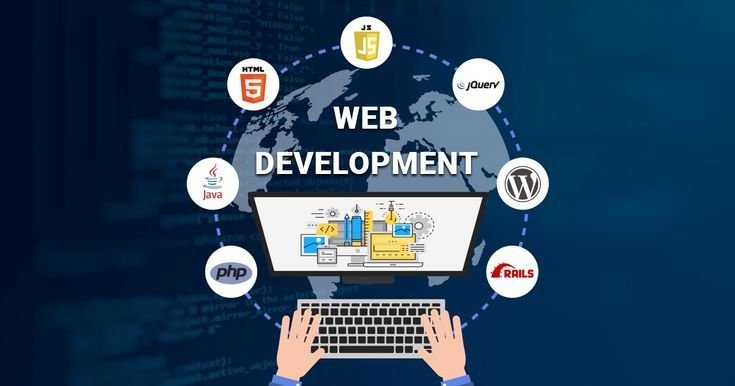
Common Backend Languages
- PHP
- Python
- Node.js
- Java
Backend Functions
- Database management
- Server communication
- Authentication and security
Databases in Web Technology
Data is the heart of any website.
Types of Databases
H4: Relational Databases
- MySQL
- PostgreSQL
H4: NoSQL Databases
- MongoDB
- Firebase
These databases store and retrieve data efficiently.
Web Servers and Hosting
To make a website accessible online, it needs hosting and a server.
Web Servers
- Apache
- Nginx
Hosting Types
- Shared Hosting
- VPS Hosting
- Cloud Hosting
Choosing the right hosting is crucial for performance.
APIs and Web Services
APIs (Application Programming Interfaces) connect different systems.
Why APIs Matter
- Enable communication between apps
- Power third-party integrations
- Improve functionality
For example:
- Payment gateways
- Social media logins
Security in Web Technology
Security is a major concern in web development.
Common Security Practices
- SSL certificates
- Data encryption
- Secure authentication
Common Threats
- Hacking
- Phishing
- Malware attacks
Implementing strong security ensures user trust.
Importance of Web Technology
Why is web technology so important today?
Key Benefits
- Global connectivity
- Business growth
- Online learning platforms
- E-commerce expansion
Businesses that use Web Technolgy effectively gain a huge competitive advantage.
Latest Trends in Web Technology
Web technology is constantly evolving. Let’s explore the latest trends:
1. Progressive Web Apps (PWAs)
- Fast and reliable
- Work offline
2. Artificial Intelligence Integration
- Chatbots
- Personalized content
3. Voice Search Optimization
- Growing with smart devices
4. Blockchain Technology
- Secure transactions
- Decentralized systems
5. Motion UI
- Interactive animations
- Better user engagement

Advantages of Web Technology
Benefits
- Easy access to information
- Cost-effective solutions
- Scalable applications
- Real-time communication
Challenges in Web Technology
Despite its advantages, web technology also has challenges:
Common Issues
- Security risks
- Browser compatibility
- Performance optimization
- Rapid technology changes
Staying updated is key to overcoming these challenges.
How to Learn Web Technology
If you’re interested in learning Web Technology, here’s a simple roadmap:
Step-by-Step Guide
- Learn HTML, CSS, and JavaScript
- Understand frontend frameworks
- Learn backend development
- Work with databases
- Build real projects
Tips for Beginners
- Practice daily
- Build small projects
- Follow online tutorials
- Stay consistent
Future of Web Technology
The future of web technology looks incredibly exciting.
What to Expect
- Faster websites with 5G
- AI-driven user experiences
- More secure systems
- Increased automation
Web technology will continue to shape how we interact with the digital world.
Conclusion
Web technology is the backbone of the internet. From simple websites to complex applications, everything depends on it. As technology continues to evolve, learning and understanding Web Technology becomes more valuable than ever.
Whether you want to build a website, start a career in tech, or grow your online business, mastering web technology is a smart move.
Call-to-Action (CTA)
Ready to dive into the world of web technology?
Start learning today, build your first website, and take your first step toward becoming a skilled web developer. The digital future is waiting for you—don’t miss out!